About Coir Yarn
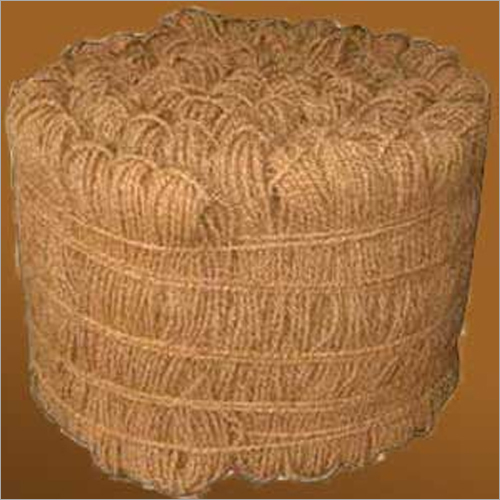
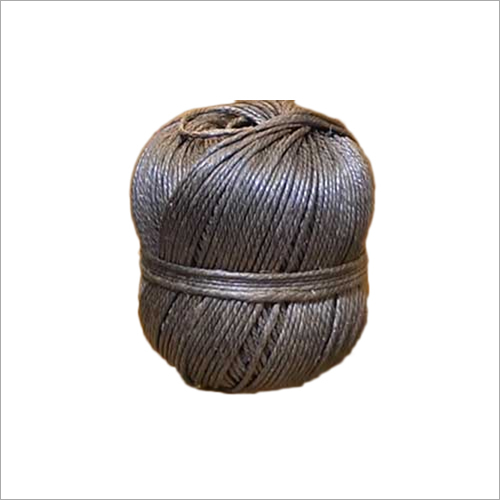
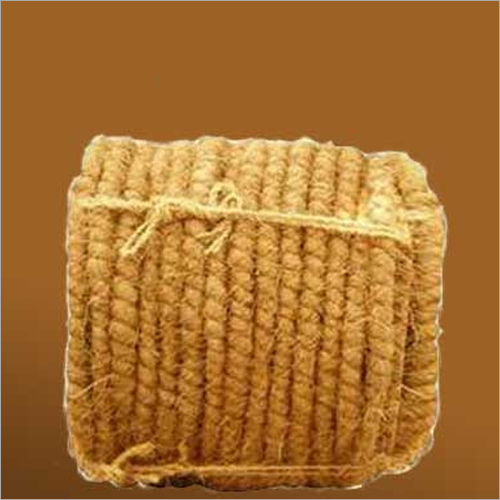
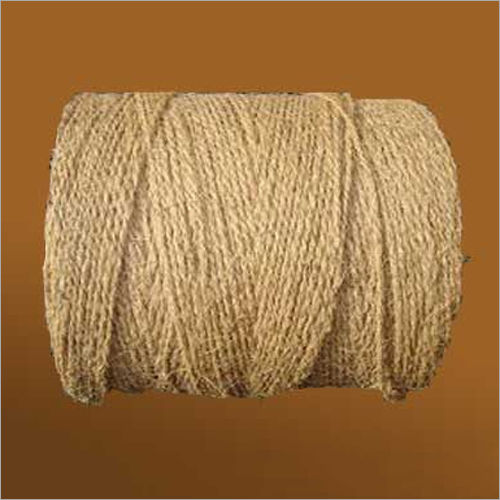
Our well-distinguished association brings forth the finest Coir Yarn. The yarn is utilized for producing fenders attached to boats and ships in order to prevent shock and collision. Also, it can be utilized for crafting mats and matting, carpets, rugs and so on. Made of selected quality coconut coir and synthetic fiber material with cutting-edge spinning technology, it has long life and durability due to its high strength, perfect twisting pattern, and ideal thicknesses. Environmental friendly and recyclable, Coir Yarn can be availed by clients at nominal prices.
Eco-Friendly Strength for Multiple UsesDurable coir yarn is crafted from coconut husk fibers and twisted into strong rope-like shapes, displaying high tensile strength and flexibility. Its biodegradable nature and ability to absorb substantial amounts of water make it especially useful for agricultural support, packaging, erosion control, and artisanal products, ensuring both sustainability and performance.
Versatile Packaging and GradesChoose coir yarn in coils, hanks, or bundles according to operational requirements, with options for handspun or machine-spun grades. The yarn is available in varied diameters (typically 6-18 mm) and unit weights (25-50 kg per coil) suitable for large-scale supply or specialized projects.
FAQ's of Coir Yarn:
Q: How is single or double twisted coir yarn produced?
A: Single or double twisted coir yarn is produced by spinning coconut coir fibers together, either manually (handspun) or using machines (machine-spun). The level of twist gives the yarn enhanced strength and flexibility for different applications.
Q: What are the typical uses of coir yarn with high tensile strength?
A: Coir yarn with high tensile strength is widely utilized in agriculture, for packaging materials, making mats and brushes, and controlling soil erosion. Its strong and water-resistant properties allow it to perform under demanding conditions.
Q: When should I choose handspun versus machine-spun coir yarn?
A: Handspun coir yarn is ideal for artisanal or specific traditional uses, providing a unique texture. Machine-spun yarn is preferred for consistency, large-scale applications, and high-volume supply, ensuring uniform quality across batches.
Q: Where is coir yarn commonly sourced, exported, and manufactured?
A: Coir yarn is predominantly sourced, manufactured, and exported from India, with numerous suppliers, exporters, traders, and wholesalers offering a variety of grades and packaging formats to global markets.
Q: What is the process for controlling impurities and dust levels in coir yarn?
A: During production, coir fibers undergo cleaning and grading to ensure low impurity (less than 3%) and dust content (2-5%). This quality control ensures the yarn's strength, cleanliness, and suitability for industrial and commercial uses.
Q: How does the high water absorption capacity of coir yarn benefit its applications?
A: The yarn can absorb up to 20 times its weight in water, making it exceptionally effective in agricultural mulching, erosion control, and environmental applications where moisture retention and water management are critical.
Q: What advantages does biodegradable coir yarn offer over synthetic ropes?
A: Biodegradable coir yarn degrades naturally, reducing environmental impact and waste. Unlike synthetic options, it is also eco-friendly, renewable, and safe for use in sensitive agricultural or landscaping projects.
 Send Inquiry



 Send Inquiry

 Send Inquiry